

 Jilibet Guides
 Slots
Slots Fishing
 Live Casino
 Sports Betting
 Lottery
 Blog
Blog Promotions
How to predict lottery numbers is a question many players ask when looking for an edge in games of chance. While lottery results are random, there are still methods and strategies that can help you make more informed number choices. Instead of relying on guesswork, understanding patterns and probabilities can improve your approach. In this guide, Jilibet will explore realistic techniques and insights to help you play smarter.
Can Lottery Numbers Really Be Predicted?
One of the most important things to understand is that lottery draws are designed to be completely random, which means no system can guarantee accurate predictions. Each number combination has the same probability of appearing, regardless of past results or patterns that may seem convincing at first glance.
However, exploring how to predict lottery numbers can still be valuable when approached correctly. Instead of trying to “beat” randomness, players can focus on smarter number selection methods and strategic thinking, which may not change the odds but can improve how results are managed over time.
How Lottery Numbers Actually Work
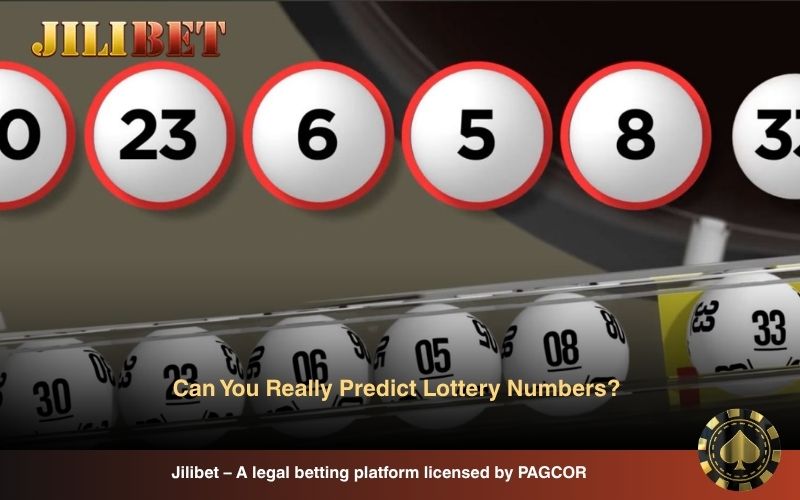
To truly understand how to predict lottery numbers, you need to start with how lottery systems are designed. Modern lotteries use either mechanical draw machines or certified random number generators, both of which are built to ensure fairness and complete unpredictability in every round. This means that no external factor, including past results or player behavior, can influence the outcome.
Another important concept is probability. Every number combination has exactly the same chance of being drawn, regardless of how often it has appeared before. Many players assume that certain numbers are “due” or “overdue,” but in reality, each draw is independent. Understanding this principle helps you avoid common misconceptions and approach the game with a more logical mindset.
How to Predict Lottery Numbers Using Smart Strategies
When exploring how to predict lottery numbers, it is important to shift your focus from trying to find exact predictions to making smarter and more structured choices. Since outcomes are random, the goal is not to beat the system but to approach number selection in a way that is more balanced and less influenced by bias or emotion.
A practical approach involves using simple strategies that improve consistency. Instead of relying on luck or guessing, players can focus on avoiding common mistakes, such as picking predictable sequences or repeating patterns. By maintaining a realistic perspective and using structured thinking, you can improve your overall approach even if the odds themselves remain unchanged.
Smart Ways to Choose Lottery Numbers
Choosing numbers effectively is a key part of understanding how to predict lottery numbers in a practical way. While you cannot increase the probability of winning, you can improve how you select numbers to avoid common pitfalls and play more strategically over time.
- Use random selection as a foundation: Random picks remain one of the most reliable approaches because all number combinations have equal probability in each draw.
- Balance low and high numbers: Instead of clustering numbers in a small range, combine both lower and higher values to create a more even distribution.
- Mix odd and even numbers: A balanced ratio of odd and even numbers helps avoid overly predictable patterns that many players tend to follow.
- Avoid common sequences and patterns: Selections like 1-2-3-4-5 or repeating number shapes are frequently chosen by others, increasing the chance of shared winnings.
- Limit date-based selections: Many players choose numbers between 1–31 based on birthdays, so including higher numbers can make your selection less common.
- Think in terms of uniqueness, not prediction: The goal is not to guess the exact outcome, but to choose combinations that are less likely to overlap with other players.
Popular Prediction Methods (And Their Limits)
When exploring how to predict lottery numbers, many players rely on structured methods to guide their choices. These approaches can provide a sense of control, but each one comes with important limitations that should be understood.
|
Method |
Explanation |
Limitation |
|
Hot numbers |
Numbers that appear frequently in recent draws are considered more likely to appear again |
Past frequency does not influence future probability |
|
Cold numbers |
Numbers that have not appeared for a long time are believed to be “due” |
Each draw is independent, so no number is ever guaranteed to appear |
|
Frequency analysis |
Players study historical results to identify trends or patterns |
Historical data does not affect future outcomes |
|
Pattern-based selection |
Numbers are chosen based on visual patterns or sequences |
Patterns are subjective and often predictable |
|
AI and prediction tools |
Algorithms analyze data to suggest number combinations |
No system can overcome the randomness of lottery draws |
Why Most Lottery Systems Don’t Work
To fully understand how to predict lottery numbers, it is important to recognize why most systems fail in practice. Many of these approaches are based on misunderstandings of probability and human bias rather than actual mathematical advantage.
|
Concept |
Explanation |
Reality |
|
Gambler’s fallacy |
Belief that past outcomes influence future draws |
Each draw is independent, so previous results have no effect |
|
Illusion of patterns |
Players see patterns in random data and assume they are meaningful |
These patterns are coincidental and unreliable |
|
Misinterpretation of probability |
Assuming some combinations are more likely than others |
All combinations have equal probability |
|
Overreliance on systems |
Trusting tools or formulas to predict outcomes |
No system can change randomness |
|
Emotional decision-making |
Choosing numbers based on luck or personal meaning |
Emotional choices often lead to predictable selections |
Best Realistic Strategies to Improve Your Odds
Applying practical strategies is an important part of understanding how to predict lottery numbers in a realistic way. While you cannot change the probability, you can improve how you play and manage your chances over time.
|
Strategy |
Explanation |
Benefit |
|
Avoid popular numbers |
Do not choose common picks like birthdays or sequences |
Reduces the chance of sharing winnings |
|
Play consistently |
Participate regularly instead of randomly |
Maintains a steady approach over time |
|
Join lottery pools |
Combine resources with others to buy more tickets |
Increases number coverage with lower cost |
|
Manage your budget |
Set limits on how much you spend |
Helps you play responsibly and sustainably |

Common Myths and Mistakes
Many players misunderstand how lottery systems work, leading to poor decisions. Recognizing these myths is essential when learning how to predict lottery numbers effectively.
|
Myth / Mistake |
Explanation |
Reality |
|
Hot numbers will repeat |
Belief that frequently drawn numbers will continue appearing |
Past results do not affect future draws |
|
Cold numbers must appear |
Thinking rarely drawn numbers are “due” |
Each draw is independent |
|
AI can predict exactly |
Trusting tools to guarantee results |
No system can predict random outcomes |
|
Following patterns |
Choosing numbers based on visible sequences |
Patterns are often coincidental |
|
Emotional choices |
Picking numbers based on luck or feelings |
Leads to predictable and less effective selections |
Practical Tips for Better Lottery Play
Improving your approach does not require complex systems. When learning how to predict lottery numbers, focusing on consistent habits and logical decision-making can help you play more effectively without relying on unrealistic expectations.
- Stay consistent in your approach: Playing regularly with a structured plan helps you avoid random and inconsistent choices while building better long-term habits.
- Avoid emotional or “lucky” picks: Choosing numbers based on feelings, superstition, or personal meaning often leads to predictable selections that many others also use.
- Track your number selections over time: Keeping records helps you stay organized, avoid repetition, and better understand your own selection patterns.
- Focus on balanced number distribution: Combining low and high numbers, along with odd and even values, creates a more structured and natural selection.
- Avoid chasing previous results: Adjusting picks based on recent outcomes can lead to poor decisions since each draw is completely independent.
- Set a clear budget and stick to it: Treat lottery play as entertainment and control spending to avoid unnecessary financial pressure.
- Think long-term rather than short-term: Maintaining a consistent mindset helps reduce impulsive decisions and improves your overall experience.

FAQs About How to Predict Lottery Numbers
Here are some common questions that go beyond basic explanations and focus on real player insights.
Is random selection better than using strategies?
Random selection is often the most reliable method because all number combinations have equal probability.
Does buying more tickets increase your chances?
Yes, buying more tickets increases your chances slightly, but the overall probability remains very low.
Should you follow patterns when choosing numbers?
Patterns may seem logical, but they do not improve your chances because lottery draws are random.
Are lottery systems reliable?
Most systems are based on assumptions or patterns that do not affect real outcomes, so they should be used cautiously.
Conclusion
How to predict lottery numbers is less about finding a guaranteed formula and more about understanding how randomness works and applying smarter strategies. By avoiding common myths, using balanced number selection, and managing your approach effectively, players can improve their overall experience. At Jilibet, you can explore different strategies while enjoying a responsible and engaging lottery experience.